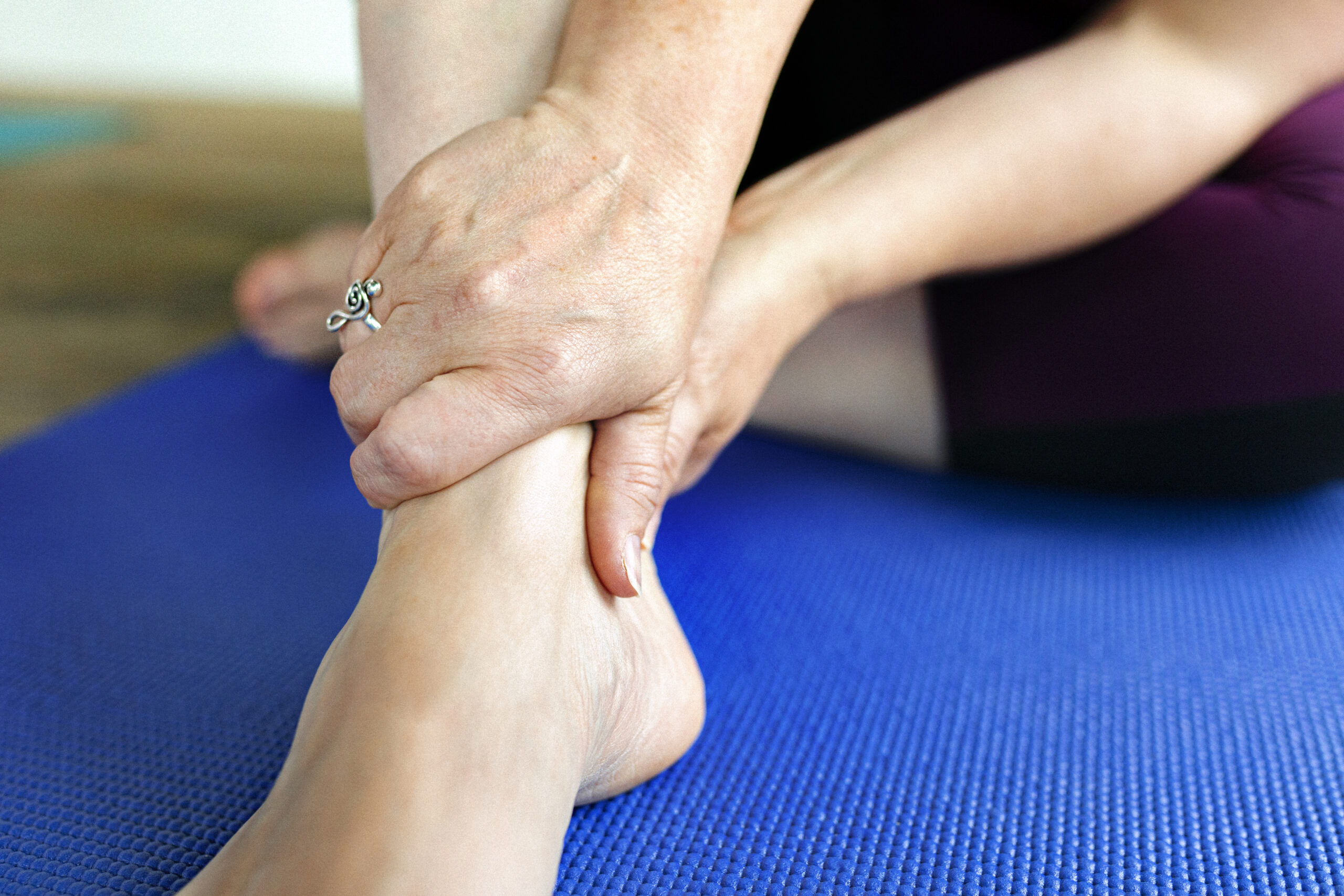
Spring is the perfect time to lace up your running shoes, hit the trails, and enjoy the warmer weather. But after months of inactivity or winter training on indoor treadmills, your feet, ankles, and legs can be more susceptible to injury. At Oklahoma Foot & Ankle Associates, we see many runners and weekend warriors experiencing common injuries like shin splints, plantar fasciitis, and ankle sprains each spring. Fortunately, with proper preparation and care, you can stay active and pain-free this season.
Common Running Injuries in Spring
1. Shin Splints
Shin splints, or medial tibial stress syndrome, often occur when the muscles and tendons along the front of your lower leg become overworked. Sudden increases in mileage, running on hard surfaces, or wearing worn-out shoes can trigger this painful condition.
2. Plantar Fasciitis
Plantar fasciitis is inflammation of the ligament that runs along the bottom of the foot, connecting the heel to the toes. It often causes sharp heel pain in the morning or after long runs, and it can be aggravated by tight calves, flat feet, or inadequate footwear.
3. Ankle Sprains
Spring trails, uneven sidewalks, and sports fields increase the risk of ankle sprains. Twisting or rolling your ankle can damage ligaments and take you off your feet for weeks if not treated promptly.
Tips to Prevent Running Injuries
Stretching and Strengthening
- Warm up with dynamic stretches like leg swings, calf raises, and lunges before running.
- Cool down with static stretches focusing on calves, hamstrings, and the plantar fascia.
- Incorporate strength training for your core and lower legs to improve stability and prevent overuse injuries.
Proper Footwear
- Replace worn-out shoes every 300–500 miles.
- Choose shoes designed for your foot type, gait, and running surface.
- Consider custom orthotics if you have flat feet, high arches, or recurring foot pain.
Gradual Mileage Increases
- Avoid sudden jumps in distance or intensity.
- Use the 10% rule: increase weekly mileage by no more than 10% at a time.
- Include rest days and cross-training to reduce repetitive stress.
Recovery Strategies
- Ice sore areas for 15–20 minutes after runs if pain or inflammation occurs.
- Elevate your legs and compress the area to reduce swelling.
- Listen to your body—don’t push through sharp or persistent pain.
When to See a Podiatrist
If you experience persistent pain, swelling, or limited mobility despite proper care, it’s time to consult a foot and ankle specialist. Early evaluation can prevent minor issues from turning into long-term injuries and get you back on the road faster.
Contact Oklahoma Foot & Ankle Associates
Join the over 100,000 happy patients who have found relief with our expert care:
Moore, OK Podiatry Office
3001 S. Telephone Rd., Ste. B, Moore, OK 73160
Phone: (405) 794-6691
Hours: Mon & Wed 8:00 AM – 5:00 PM, Tue & Thu 7:30 AM – 5:00 PM, Fri 8:00 AM – 3:00 PM
Edmond, OK Podiatry Office
600 W. 15th St., Edmond, OK 73013
Phone: (405) 340-9251
Hours: Mon – Fri 8:30 AM – 5:00 PM
Midwest City, OK Podiatry Office
2801 Parklawn Dr., Ste. 201, Midwest City, OK 73110
Phone: Dr. Morris – (405) 794-6691 on Mondays
Dr. Carro – (405) 340-9251 on Thursdays
Hours: Mon 8:30 AM – 12:00 PM, Thu 1:00 PM – 5:00 PM
Whether you’re a teen track athlete, a weekend warrior, or a seasoned runner, our team is ready to help you stay active and injury-free this spring. Schedule your appointment today and take the first step toward stronger, healthier feet and ankles!












Leave a Reply