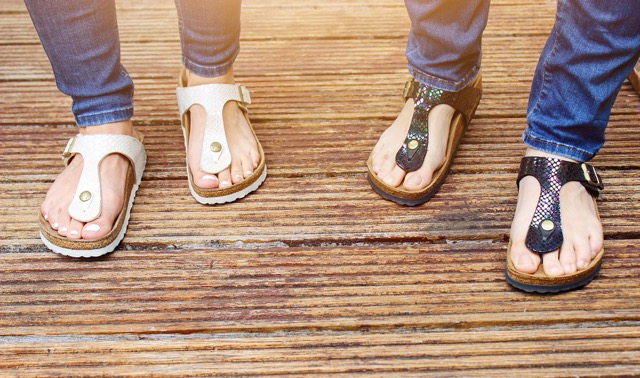
Summer is the season for flip-flops, sandals, and easygoing footwear. Whether you're heading to the pool, running errands, or enjoying a backyard barbecue, slipping into a pair of sandals is convenient and comfortable—or at least it seems that way.
Unfortunately, many popular summer sandals provide little to no support for your feet. If you've noticed aching heels after a day of walking, your favorite warm-weather shoes could be to blame.
If heel pain is keeping you from enjoying your summer, understanding the connection between footwear and foot health is the first step toward finding lasting relief.
Why Flip-Flops and Flat Sandals Can Cause Heel Pain
Unlike supportive athletic shoes, many flip-flops and flat sandals lack important features that help protect your feet.
These shoes often provide:
- Little or no arch support
- Minimal cushioning
- Thin, flexible soles
- Poor shock absorption
- Limited heel stability
As you walk, your feet absorb repeated impact without the support needed to distribute pressure evenly. Over time, this added stress can irritate the tissues in your heel and arch.
What Is Plantar Fasciitis?
One of the most common causes of heel pain is plantar fasciitis.
The plantar fascia is a thick band of tissue that runs along the bottom of your foot, connecting your heel bone to your toes. It supports your arch and helps absorb the forces created while walking.
When this tissue becomes irritated or inflamed, it can cause:
- Sharp heel pain with your first steps in the morning
- Pain after sitting for long periods
- Discomfort that improves with movement but returns after standing for extended periods
- Tenderness along the bottom of the heel
Wearing unsupportive sandals for long periods can increase stress on the plantar fascia, making symptoms worse.
Other Reasons Your Sandals May Be Hurting Your Feet
Heel pain isn't always caused by plantar fasciitis.
Poor footwear may also contribute to:
Heel Fat Pad Irritation
The natural cushioning beneath your heel becomes compressed over time. Thin sandals provide little additional protection, allowing every step to place more pressure directly on your heel.
Achilles Tendon Tightness
Flat footwear can alter how your Achilles tendon functions, leading to tightness and discomfort behind the heel.
Arch Fatigue
Without proper support, the muscles and ligaments in your feet must work harder to stabilize every step. This can lead to soreness, fatigue, and pain after a long day on your feet.
Signs It's Time to Replace Your Summer Footwear
Not all sandals are bad, but worn-out or poorly designed shoes can contribute to foot pain.
Consider replacing your sandals if you notice:
- Flattened footbeds
- Worn or uneven soles
- Loss of cushioning
- Loose straps that cause your foot to slide
- Increased heel or arch pain after wearing them
Supportive footwear is an investment in your long-term foot health.
How to Choose Better Summer Sandals
If you enjoy wearing sandals, look for pairs that offer:
- Good arch support
- Cushioned footbeds
- Shock-absorbing soles
- Adjustable straps for a secure fit
- A slightly contoured heel cup
- A sturdy sole that doesn't bend excessively in the middle
These features help reduce stress on your feet while providing greater comfort throughout the day.
Give Your Feet a Break
Even supportive sandals shouldn't be your only footwear during the summer.
If you're planning:
- A day at the amusement park
- Long walks while traveling
- Outdoor festivals
- Shopping trips
- Sporting events
Supportive walking or athletic shoes are usually a much better choice.
Alternating between different types of footwear can also reduce repetitive stress on your feet.
When Should You See a Podiatrist?
Occasional soreness after a long day is common, but persistent heel pain shouldn't be ignored.
Schedule an evaluation if:
- Heel pain lasts longer than a week or two
- Pain is worst with your first steps in the morning
- Walking becomes difficult
- Home remedies aren't helping
- Swelling or redness develops
- Pain interferes with work, exercise, or daily activities
Early treatment often prevents heel pain from becoming a chronic condition.
Heel Pain Treatments That Can Help
The good news is that many cases of heel pain can be treated without surgery.
Depending on the cause of your discomfort, your podiatrist may recommend:
- Custom orthotics
- Stretching exercises
- Supportive footwear recommendations
- Anti-inflammatory treatments
- Physical therapy
- Activity modifications
- Advanced conservative therapies
At Oklahoma Foot & Ankle Associates, the goal is always to begin with the most conservative treatment options whenever possible while helping patients return to their normal activities comfortably.
Enjoy Summer Without Heel Pain
Summer should be spent making memories—not dealing with aching feet. Choosing supportive footwear and addressing heel pain early can help you stay active all season long.
If you're looking for effective heel pain treatment in Edmond, OK, or need an experienced podiatrist in Moore, OK, the team at Oklahoma Foot & Ankle Associates is here to help. With more than 85 years of combined experience, our doctors provide personalized, conservative treatment plans for heel pain, plantar fasciitis, sports injuries, bunions, diabetic foot care, and many other foot and ankle conditions.
To schedule your appointment, call our Edmond office at (405) 340-9251 or our Moore office at (405) 794-6691. You can also visit us at 600 W. 15th Street, Edmond, OK 73013, or 3001 S. Telephone Road, Suite B, Moore, OK 73160. Let us help you get back on your feet—and back to enjoying everything summer has to offer.












Leave a Reply